- mohan9015852974
- Comments 0
- 17 Jan 2026
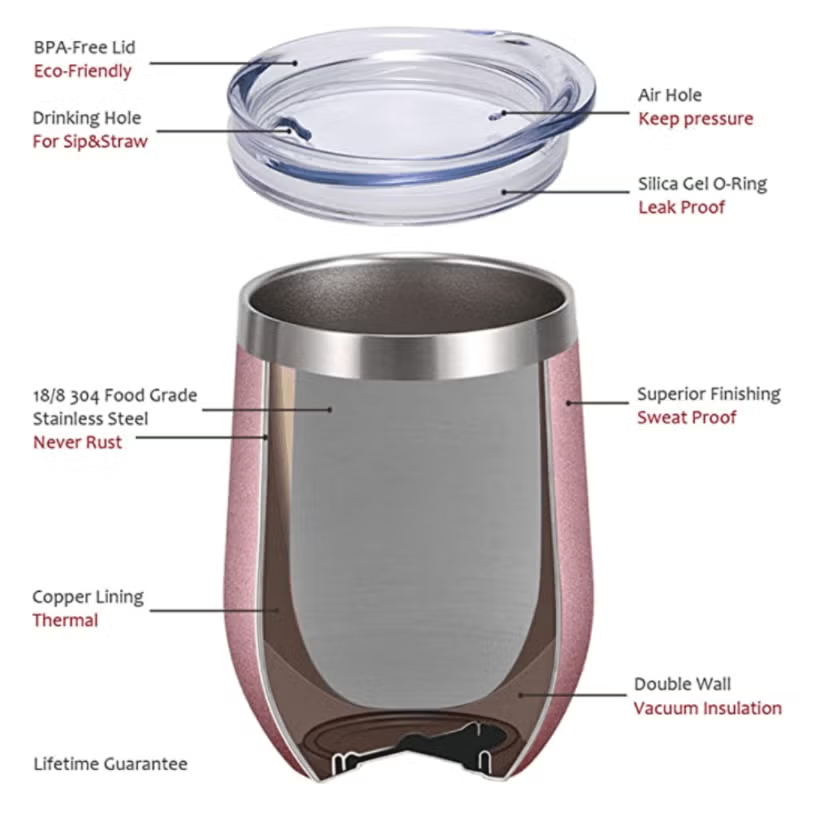
In ecommerce, customers cannot touch, feel, or try your product. Images do all the selling. Whether you sell on Amazon, your own website, or both, product photos directly impact traffic, rankings, trust, and conversions. Yet most sellers still treat images as “design assets” instead of SEO and revenue drivers. In this guide, you’ll learn how ecommerce image SEO works, why it matters for Amazon and Google, and how properly optimized product photos can significantly increase sales without violating any platform policies.
Why Image SEO Matters for Ecommerce
Rank higher in Google Image Search
Improve Amazon A9/A10 algorithm relevance
Increase click-through rate (CTR)
Reduce bounce rate
Improve conversion rate
Build buyer trust
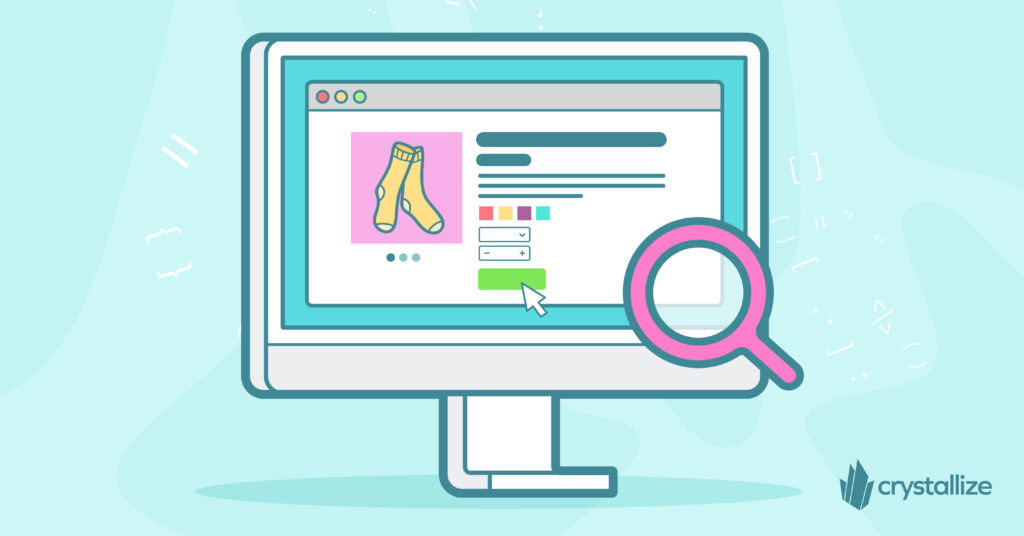
How Image SEO Works (Simple Explanation)
Search engines cannot “see” images like humans. They rely on contextual signals such as:
File name
Image size & format
Alt text
Surrounding content
Page load speed
Structured data
User engagement signals
When all these signals are optimized, your product images become search-friendly and conversion-ready.
Image SEO for Amazon vs Website (Key Difference)
On Amazon
Images affect clicks, conversions, and ranking
Main image rules are strict (white background, no text)
Lifestyle and infographic images increase time on listing
Better images = higher conversion = better ranking
On Your Website
Images affect Google SEO, page speed, and discoverability
Alt text and file names directly impact ranking
Images help rank in Google Images, driving organic traffic
Faster images improve Core Web Vitals
Both platforms reward clarity, relevance, and performance.
1. Image Quality: The Foundation of Image SEO
No SEO trick can fix poor images.
Best Practices
Use high-resolution images
Ensure sharp focus, proper lighting, and accurate colors
Avoid blur, noise, or over-editing
Show product clearly from multiple angles
High-quality images:
Increase buyer confidence
Reduce returns
Improve engagement signals (zoom, scroll, dwell time)
2. Image Size, Dimensions & File Format (Very Important)
Recommended Image Sizes
Website: 1200 × 1200 px or higher
Amazon: Minimum 1000 px (for zoom), ideally 2000 px
File Formats
JPEG – Best for product photos
WebP – Best for websites (smaller size, faster load)
PNG – Only for transparency needs
Why This Matters
Faster images = better page speed
Page speed is a Google ranking factor
Slow pages increase bounce rate and kill conversions
Always compress images without losing visible quality.
3. SEO-Friendly Image File Names (Often Ignored)
Never upload images named:
IMG_1234.jpg
DSC_8899.png
Instead, use descriptive file names:
men-printed-hoodie-black-front.jpg
cotton-fleece-hoodie-men-side-view.jpg
Why?
Search engines use file names to understand image context.
This simple step alone can significantly improve image discoverability.
4. Alt Text: The Most Powerful Image SEO Element
Alt text describes your image to search engines and screen readers.
Good Alt Text Example
Men printed cotton fleece hoodie for winter wear
Bad Alt Text
hoodie image
product
men hoodie hoodie hoodie
Best Practices
Be descriptive, not spammy
Include primary keyword naturally
Describe what’s actually visible
Keep it human-readable
Alt text helps with:
Google Image Search
Accessibility (important for Google)
Overall page relevance
Lifestyle Images: The Conversion Booster
Plain product images inform.
Lifestyle images sell.
Show:
Model wearing the product
Real-life usage scenarios
Fit, length, and styling context
Seasonal relevance (winter, gym, travel, casual wear)
On Amazon, lifestyle images:
Increase conversion rate
Reduce buyer hesitation
Improve ranking indirectly via performance metrics


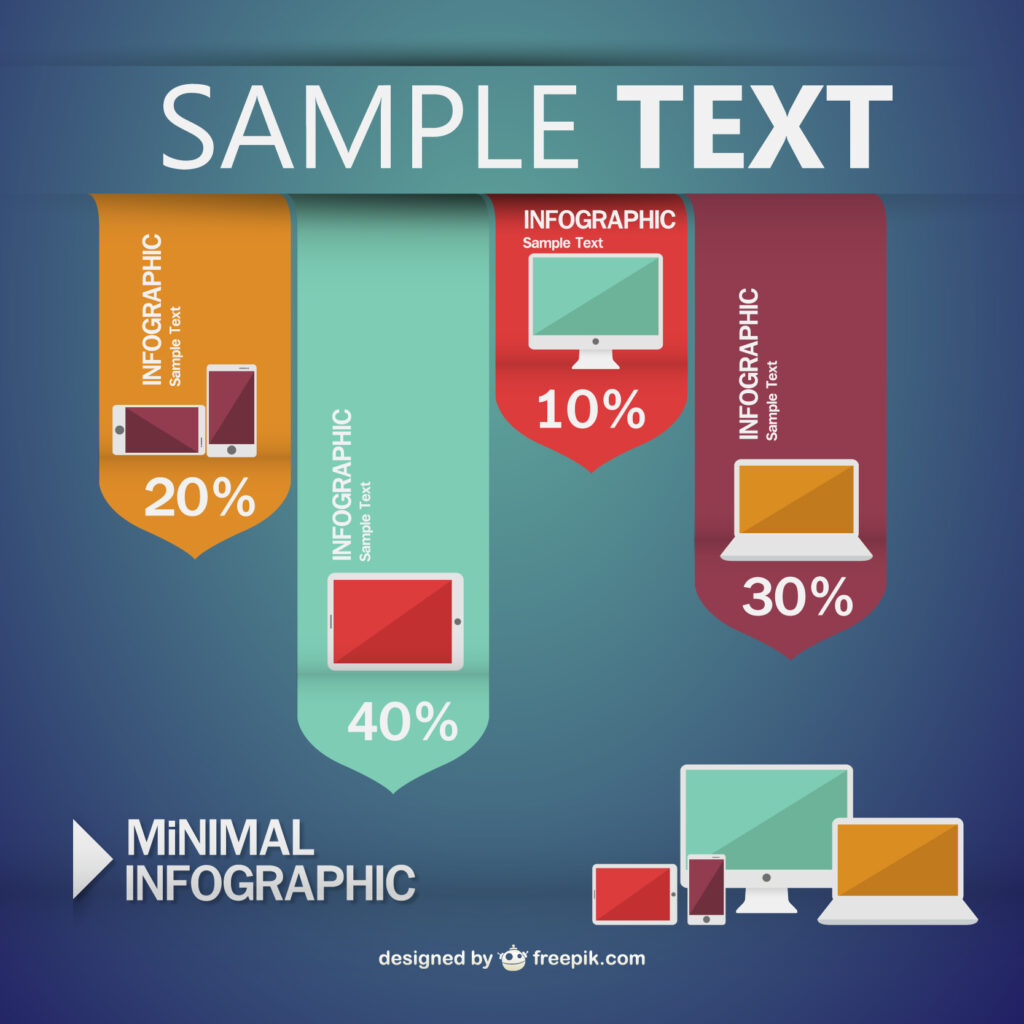
Infographic Images: Educate & Convert
Infographics answer buyer questions visually.
Use them to show:
Fabric details
Size chart
GSM or thickness
Key features
Care instructions
Fit type
Important Rule (Amazon)
No misleading claims
No promotional text like “Best Seller” or “No.1”
Text should be readable on mobile
Infographics increase:
Time on page
Trust
Conversion probability
Consistency Across Images Builds Brand Trust
Use:
Same background style
Same lighting tone
Same image sequence
Same branding approach
Consistency improves:
Brand recall
Professional appearance
Customer confidence
Trust is a ranking and conversion signal, even if indirectly.
8. Structured Data & Image SEO (For Websites)
If you run your own ecommerce website, use:
Product schema
Image object markup
This helps Google understand:
Which images belong to which product
Price, availability, reviews
Result:
Rich results
Higher CTR
Better visibility
9. Image SEO Mistakes to Avoid
❌ Keyword stuffing in alt text
❌ Oversized images slowing site
❌ Low-quality or pixelated images
❌ Misleading images (policy risk on Amazon)
❌ Ignoring mobile users
❌ Inconsistent image setsAvoiding these mistakes protects both rankings and account health.
How Optimized Images Increase Sales (Real Impact)
Optimized images:
Improve search visibility
Increase CTR
Reduce returns
Improve conversion rate
Strengthen brand credibility
More importantly, they help users make faster buying decisions.
Image SEO Checklist (Quick Summary)
High-quality, sharp images
Correct size & compression
SEO-friendly file names
Descriptive alt text
Lifestyle + infographic images
Fast loading speed
Platform-compliant visuals
Frequently Asked Questions (FAQ)
1. Do product images really affect Amazon ranking?
Yes. Images improve conversion rate, and Amazon’s algorithm rewards listings that convert better.
2. Can images rank on Google?
Yes. Optimized images can rank in Google Image Search and drive high-intent traffic.
3. Is alt text mandatory for ecommerce?
For websites, yes — it’s critical for SEO and accessibility.
For Amazon, alt text is not visible but image relevance still matters.4. How many images should a product have?
Ideally:
Amazon: 6–8 images
Website: 5–7 images including lifestyle and infographics
5. Does image compression hurt quality?
No, if done correctly. Modern compression tools reduce file size without visible quality loss.
6. Can bad images hurt sales?
Absolutely. Poor images reduce trust, increase bounce rate, and cause lower conversions.
Final Thoughts
In ecommerce, images are not decoration — they are strategy.
Optimizing product photos for SEO is one of the highest ROI actions you can take:
No ads
No extra cost
Long-term organic growth
If you want more traffic, better rankings, and higher sales —
start with your images.If you want next:
Meta title & meta description
Featured image recommendation
Internal linking strategy
Amazon image checklist PDF
Just tell me 🚀
Recent Comments
Archives
Search
Categories
- Application Security (1)
- Business Strategy (1)
- Digital Product (1)
- Finance (1)
- Generation (4)
- Marketing (1)
- Service (1)
- Technology (1)
- Uncategorized (3)
- Web Development (1)
Tags
Archive Post
- December 2025 (2)
- January 2024 (8)
- December 2023 (1)


Recent Comments