What Is Social Media? A Complete Guide to Understanding Social Media in the Digital Age
Introduction
In today’s fast-paced digital world, social media has become an essential part of everyday life. From sharing photos and videos to running businesses and building personal brands, social media platforms influence how people communicate, learn, and make decisions. Whether you are a student, entrepreneur, marketer, or casual user, understanding what social media is and how it works is crucial in 2025 and beyond.
This blog will explain what social media is, its history, types, advantages, disadvantages, importance for businesses, and future trends. This article is written with SEO-friendly content to help rank better on search engines like Google.
Definition of Social Media
Social media is a collection of web-based platforms that enable users to create content, share information, and engage with others in real time.
Popular social media platforms include:
Facebook
Instagram
Twitter (X)
LinkedIn
YouTube
TikTok
Snapchat
Pinterest

History and Evolution of Social Media
The journey of social media started long before smartphones and high-speed internet.
Early Days
1997: SixDegrees.com allowed users to create profiles and connect with friends.
2002: Friendster gained popularity.
2004: Facebook was launched, changing the social networking world.
2005: YouTube introduced video sharing.
2006: Twitter brought microblogging.
Modern Era
Today, social media platforms use:
Artificial Intelligence (AI)
Algorithms
Data analytics
Augmented Reality (AR)
These technologies help personalize content and improve user engagement.
Types of Social Media Platforms
Social media is not limited to one format. There are different types designed for different purposes.
1. Social Networking Sites
These platforms help users connect with friends and family.
Best for: Communication, networking, branding
2. Media Sharing Platforms
These platforms focus on sharing images and videos.
YouTube
TikTok
Snapchat
Best for: Visual storytelling and content creation
3. Microblogging Platforms
Short-form content platforms where users share quick updates.
Twitter (X)
Threads
Best for: News, trends, discussions
4. Discussion Forums & Communities
Platforms for asking questions and sharing knowledge.
Quora
Best for: Learning and community engagement
5. Messaging Apps
Private and group communication tools.
Telegram
Messenger
Best for: Instant communication
How Does Social Media Work?
Social media platforms operate using algorithms that decide:
What content users see
Which posts rank higher
How often content appears in feeds
Key Components:
User profiles
Content creation
Engagement (likes, comments, shares)
Algorithms
Advertising systems
Platforms earn revenue mainly through paid advertisements.

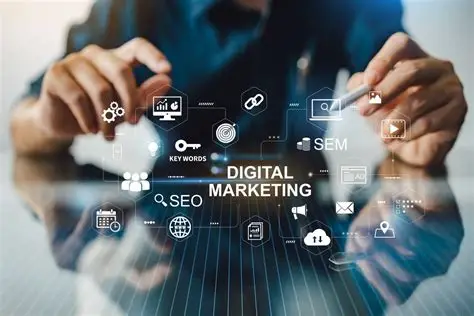
Importance of Social Media in Modern Life
Social media plays a significant role in both personal and professional life.
1. Communication
People can instantly connect with anyone worldwide.
2. Information & News
Breaking news spreads faster on social media than traditional media.
(Source: )
3. Education
Students and professionals learn skills through tutorials, webinars, and courses.
4. Business Growth
Businesses use social media for:
Marketing
Customer support
Brand awareness
Advantages of Social Media
1. Global Connectivity
Connect with people across borders easily.
2. Business & Marketing Opportunities
Social media marketing helps brands reach targeted audiences.
Learn more about digital marketing from HubSpot
3. Career Opportunities
LinkedIn helps professionals find jobs and build networks.
4. Entertainment
Social media provides unlimited entertainment through videos, memes, and live streams.
5. Knowledge Sharing
Educational content is easily accessible.
Disadvantages of Social Media
Despite many benefits, social media has some drawbacks.
1. Privacy Issues
Personal data can be misused if not protected properly.
2. Addiction
Excessive usage can impact mental health.
3. Fake News
Misinformation spreads quickly.
4. Cyberbullying
Online harassment affects many users, especially teenagers.
Role of Social Media in Business and Marketing
Social media is a powerful digital marketing tool.
Benefits for Businesses:
Cost-effective advertising
Brand visibility
Customer engagement
Sales growth
According to Statista, billions of users actively use social media worldwide .
Popular Social Media Marketing Strategies:
Content marketing
Influencer marketing
Paid ads
Video marketing
👉 Learn more about SEO and content marketing on Moz
Social Media and SEO (Search Engine Optimization)
Social media indirectly impacts SEO by:
Increasing website traffic
Boosting content visibility
Improving brand authority
SEO Tips for Social Media:
Use keywords in captions
Add website links
Share blog posts regularly
Optimize profiles
Future of Social Media
The future of social media looks promising and advanced.
Upcoming Trends:
Artificial Intelligence content
Virtual Reality (VR)
Metaverse platforms
Voice search integration
Short-form video dominance
Social media will continue evolving with technology and user behavior.
How to Use Social Media Responsibly
Limit screen time
Verify information before sharing
Protect personal data
Be respectful online
Responsible usage ensures a healthy digital life.
Conclusion
Social media is more than just entertainment—it is a powerful tool for communication, education, marketing, and personal growth. Understanding what social media is and how to use it effectively can open countless opportunities in today’s digital age.
Whether you are an individual user or a business owner, social media can help you build connections, grow your brand, and stay informed—if used wisely.
Kto próbował wielu platform, szybko rozpozna w casoo kasyno profesjonalne podejście. Gracze mogą szczegółowo analizować osobiste statystyki dotyczące czasów gry i zakładów. Strona kasy szyfruje wszystkie transakcje protokołem SSL na bankowym poziomie. Profesjonalni krupierzy prowadzą gry w czasie rzeczywistym z nowoczesnych studiów. Statystyki dotyczące własnego zachowania w grze są dostępne w osobistej sekcji. Klasyczne gry stołowe, takie jak Blackjack, Ruletka i Baccarat, dostępne są w wielu wariantach. Warunki bonusowe są jasno sformułowane i nie zawierają ukrytych klauzul. Oficjalny adres kontaktowy do zapytań prawnych jest wskazany w impresum. W trybie mobilnym wszystkie funkcje bonusowe są w pełni dostępne. Kasyno regularnie oferuje pakiety darmowych spinów jako nagrodę za stałą aktywność. Cały pakiet przemawia zarówno do graczy okazjonalnych, jak i doświadczonych fanów kasyn.